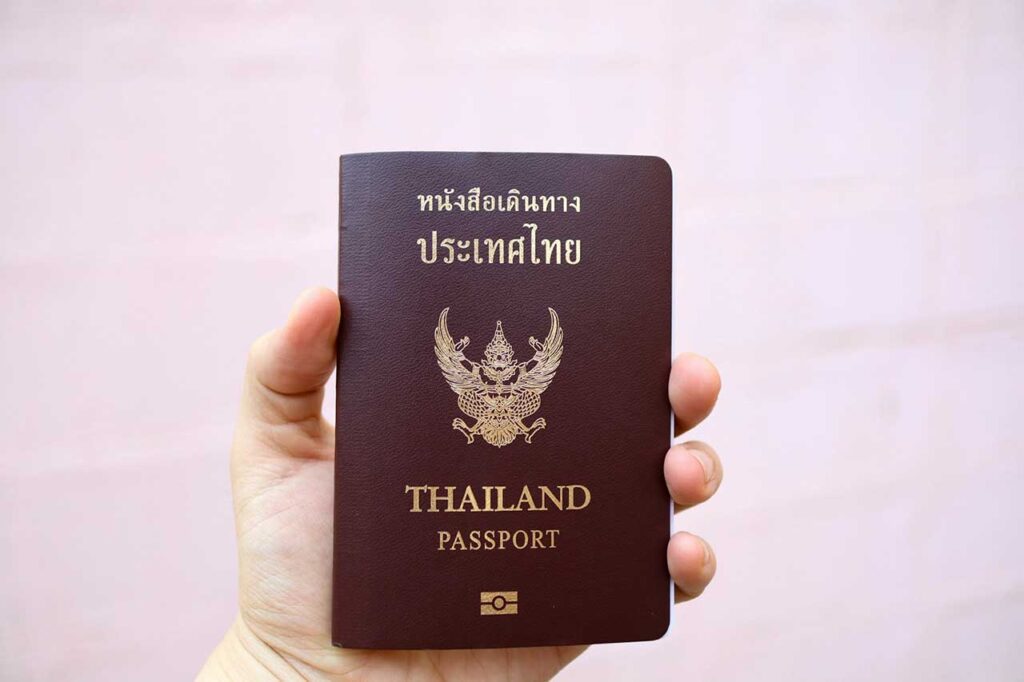
Phuket has long been a magnet for remote workers, retirees, and long-stay travellers, but the visa landscape has never been more varied — or more promising. With Thailand actively expanding its options for foreign residents, 2026 is shaping up to be a pivotal year for anyone planning an extended stay on the island. Whether you are a digital nomad eyeing the Destination Thailand Visa or a high-net-worth individual considering the Long-Term Resident scheme, understanding the full spectrum of choices is essential before you book your flight.
Thailand’s visa framework has undergone significant reform over the past few years, driven by a desire to attract quality long-stay visitors and reduce the informal “visa run” culture that once defined expat life. The government has introduced several new categories alongside its existing options, creating a layered system that can feel complex at first glance. The good news is that each visa tier broadly corresponds to a different type of visitor, making it relatively straightforward to identify the right fit once you understand the distinctions.
For Phuket specifically, the appeal is clear. The island offers world-class infrastructure, a mature expat community, international schools, and a cost of living that remains competitive by global standards. Visa choices here are not purely administrative — they shape how you live, work, and invest in Thailand over the long term.
Launched in mid-2024 and gaining considerable traction heading into 2026, the Destination Thailand Visa is Thailand’s clearest signal yet that it wants remote workers and digital creatives on its shores. The DTV grants a five-year, multiple-entry visa with each stay permitted up to 180 days. Applicants must demonstrate freelance income, remote employment, or involvement in specific creative or sports-related fields.
The financial threshold is relatively accessible — proof of funds or income equivalent to around 500,000 Thai Baht is required. There is no requirement to work with Thai companies or register a local business, which makes it far less restrictive than many comparable visas in the region. For the Phuket-based nomad bouncing between co-working spaces in Rawai and beach clubs in Kamala, the DTV offers a genuine sense of stability.
One point to keep in mind: the DTV does not grant the right to work for Thai employers, and holders must still comply with tax residency rules if they spend more than 180 days in the country during a tax year. Thailand revised its foreign income tax rules in 2024, and by 2026, enforcement is expected to be more consistent. Consulting a local tax adviser before committing to the DTV is a sensible step.
The Thailand Elite Visa has been a popular choice among well-heeled expats for over two decades, offering long-term stay rights in exchange for a membership fee. Recent restructuring has introduced tiered packages ranging from five-year to twenty-year options, with pricing adjusted accordingly. For many Phuket residents who prioritise simplicity over flexibility, Elite remains an attractive proposition.
The programme includes concierge services, airport fast-track assistance, and periodic privileges at partner businesses across the country. However, it does not permit employment and offers no pathway to permanent residency. For retirees or passive income earners who simply want to live comfortably in Phuket without the bureaucratic complexity of annual renewals, the Elite Visa still delivers good value.
Introduced in 2022 and gradually maturing into a well-established pathway, the Long-Term Resident Visa is designed for four specific groups: wealthy global citizens, wealthy pensioners, work-from-Thailand professionals, and highly skilled professionals. Each category carries distinct income or asset requirements, but all share the same headline benefit — a ten-year renewable visa with a broad set of privileges.
LTR holders benefit from a personal income tax exemption on foreign-sourced income remitted to Thailand, which is particularly significant following the 2024 tax rule changes. They are also permitted to work in Thailand under a digital work permit, own land under specific conditions, and access a dedicated government service lane for immigration matters. For high earners and investors based in Phuket, these benefits represent a material financial and lifestyle advantage.
The Wealthy Global Citizen category, for instance, requires a minimum of one million US dollars in assets and an investment of at least 500,000 US dollars in Thai government bonds, property, or approved funds. The Work-from-Thailand Professional category requires an annual income of at least 80,000 US dollars and employment with an overseas company. These are not modest thresholds, but for those who qualify, the LTR arguably offers the most comprehensive long-stay package currently available in the country.
For those aged fifty and above, the Non-Immigrant O-A (retirement) visa remains a tried and tested option. Annual renewal is required, along with proof of either a Thai bank balance of 800,000 Baht or a monthly income of 65,000 Baht. It is a familiar process for long-term Phuket residents, and many retirees find comfort in its simplicity and the well-documented support network of local agents and immigration advisers who can assist with renewals.
That said, the retirement visa lacks the flexibility of the LTR and the accessibility of the DTV. It offers no tax privileges, no work authorisation, and no path to permanent residency. For retirees with straightforward needs and modest international income, it continues to serve its purpose well. For those with more complex financial arrangements, exploring the LTR’s Wealthy Pensioner category — which requires an annual income of 80,000 US dollars — may be worthwhile.
Selecting the right visa is less about prestige and more about alignment with your actual life in Phuket. A freelance designer earning a moderate income remotely will find the DTV perfectly suited to their needs. A retired couple with significant international assets and a desire for tax efficiency should look carefully at the LTR. Someone who simply wants a hassle-free long stay without engaging deeply with the system may still prefer the Elite Visa’s all-inclusive convenience.
In 2026, the most important shift is arguably attitudinal. Thailand is no longer treating long-stay foreigners as a secondary category of visitor — it is actively designing products to attract and retain them. Phuket, as one of the country’s most internationally connected destinations, stands to benefit enormously from this policy direction. The infrastructure for remote working, international healthcare, and global schooling is already there; the visa framework is now catching up.
Taking the time to map your income sources, professional status, and long-term plans before choosing a visa category will save considerable frustration down the line. Thailand’s immigration requirements, while generally well-documented, can shift with relatively little notice, and the gap between the right visa and the wrong one can mean the difference between genuine legal peace of mind and a recurring administrative headache. The Phuket dream is entirely achievable — arriving at it with the right paperwork simply makes the experience that much more enjoyable.
Relocating your furry family members involves a complex web of paperwork, airline regulations, and timing that can feel overwhelming. You don’t have to navigate the Thai Department of Livestock Development alone. Our specialist team is here to manage every detail—from securing import permits to coordinating safe transport—ensuring your pet’s journey is as comfortable and stress-free as your own. Let us handle the logistics so you can focus on your new life in the sun.
